Write What You Know

The stories I prefer to watch, read, and listen to have one thing in common: authenticity. The best writing, for me, rings with a kind of truth that’s rooted in life experience, or at least, deep, immersive research.
In my own work, I’ve always tried to ground my storytelling in lived experience as a way to establish an emotional connection with the reader and provide the kind of telling details that quickly paint a vivid impression of the world I’m trying to create. Most of the time, all those details and bits of reality morph into a fictionalized narrative. But of course, vestiges remain.
Unfortunately, this method of working with material from life to create fiction has gotten me into hot water in my personal life more than once. Especially, when I neglect to do enough to disguise the real-life people that serve as the genesis for characters in fiction.
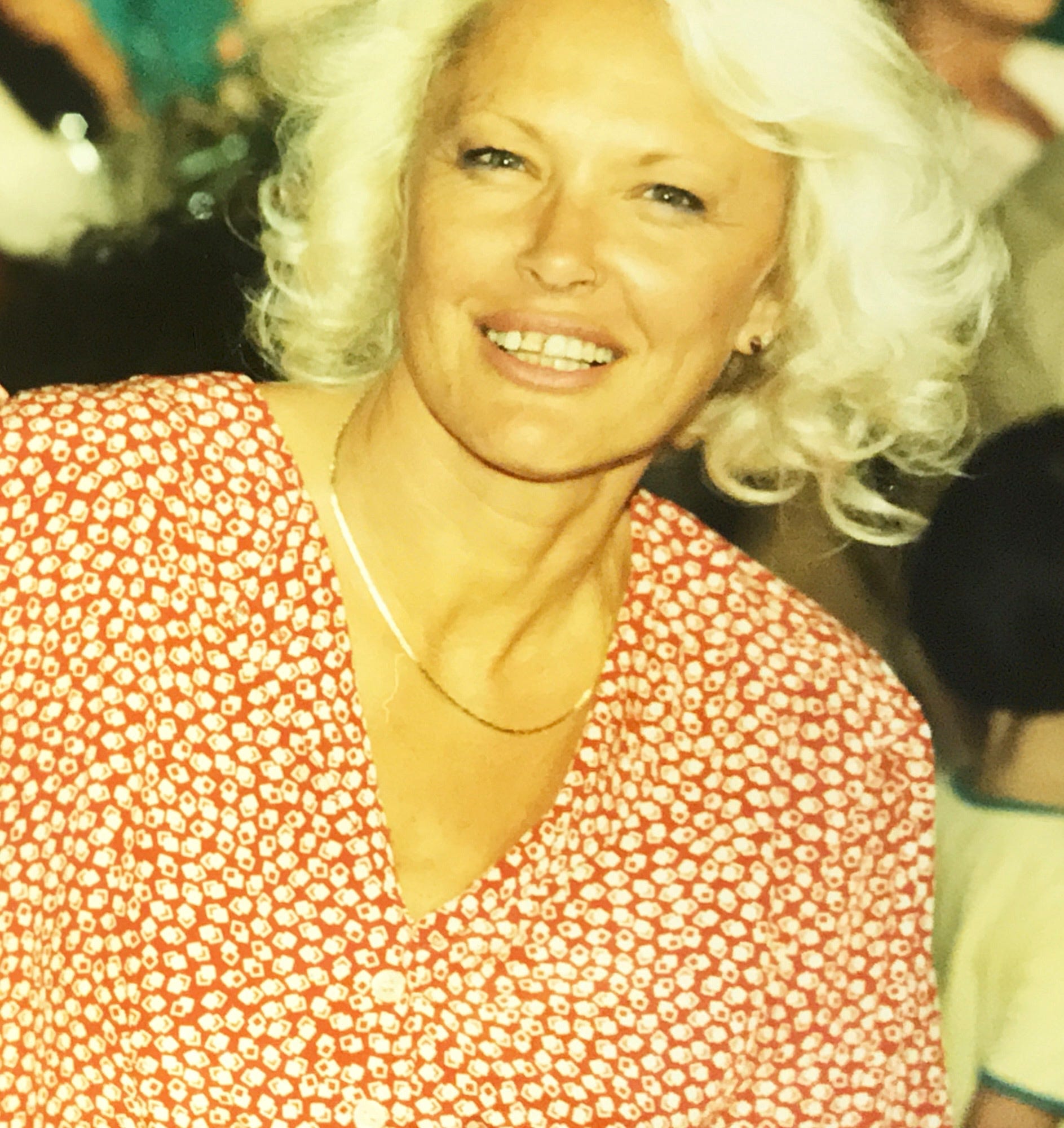
For instance, I once had a short story published in a small literary magazine affiliated with Columbia University in New York. I was thrilled, naturally, to see my work in print and passed out copies to all my friends. The one person I was most excited to share my accomplishment with was my mom, someone who had, as mother’s often do, encouraged me in my creative dreams and had even been an aspiring writer herself. Perhaps a bit more unusually, (or perhaps not) my mom had also struggled with addiction issues at times when I was a teenager. By the time I proudly shared my early publication with her, she’d been long sober. I’ll share a bit from the piece here so you can see why, in retrospect, she might not have been the best audience for the piece:
I stood up from the bed with that beer in my hand and she came into the room too quickly with a pinched, white face and her thin, blue‑rimmed lips all dry and cracked. Snot hung in a thin line from her nose. She reached out her hand, like a claw, and latched onto my shirtsleeve. I shied away from her, but couldn’t help staring at those bright, black‑circled eyes. She opened her mouth, but all that came out was a croak.
Wait a minute. This is my mother we’re talking about. Let’s try again.
She walked into the room humming. Her hair was blond, carefully cut, held neatly in place with a silver comb that she bought on a recent trip to Ensenada--where she drank tequila non‑stop until she passed out on the floor of the bar, until me and my brothers had to pay off the Federales and carry her to the hotel.
Wait a minute.
She rapped lightly on my door and asked if she could come in. I looked up from my book. I was studying--I was trying to scrape my pipe for some black goo that I could maybe smoke, and maybe get some of that good feeling, some of that heaviness, some of that I‑don’t‑care‑what‑happens‑or-who‑you‑are‑anymore feeling.
“What are you reading?
“Oh, just brushing up for my test.”
She wore a simple sundress with a ribbon in her hair. She was in her mid‑forties, but she looked younger--smooth face, thin and fit, skinny almost, with wide bony hips and delicate, deeply arched feet. She put her hand on my arm.
Her fingers were black, a little shriveled, lifeless. The ruined veins in her arms were purple‑black as well, attacked by a range of angry punctures. She wore a red, sleeveless T‑shirt and a silver, studded, dog collar. Her bleached hair was cropped short.
Oh boy. Reading it back now, I can’t imagine what I was thinking, showing her a story like that, even, maybe especially, because it was published in a magazine. Of course, I wasn’t there when she read the piece, and she was never anything but positive in her feedback to me about my writing. But I knew, or should have known, that a story like that would strike a nerve in any mother, or any person really.
Did I stop mining my personal life? Did I at least learn to be selective about who I showed my work to, especially if it involved characters loosely based on the readers themselves? No and no. I wrote a screenplay about an uptight, grasping director and his free-wheeling writer brother who takes advantage of his generosity. Then, I gave it to my slightly obsessive-compulsive, and very generous director friend. For some odd reason, our relationship cooled.
There was the ditsy girlfriend in a thriller script whose physical description contained a few telling details that matched, a bit too closely, my girlfriend at the time. Did I show her the script for absolutely no reason? Did the relationship end in spectacular fashion? Yes and yes.
I’d like to say I’ve learned my lesson. But it turns out that the very details that make a character come alive are the same things that make someone recognize themselves instantly. Maybe, my best bet would be to limit my audience. But what writer would ever voluntarily do that?
My strategy, at this point, is to give a long preamble to anyone I directly share my work with who, on some level, has been an inspiration. I’ll tell them that, while some characters might strike them as familiar, they should be assured that whatever traits they recognize are merely jumping off points. These fictions are not, in any way, how I think of my friends in real life. Unfortunately, the caveats are rarely effective. If I’ve done my work well, people instantly recognize themselves. After that, whatever horrible, embarrassing things the characters do in the story, the real-life inspirations inevitably take as a personal affront. All I can hope for is to make the story so compelling that they feel proud to play some small part in it. And to be honest, I can’t say that it happens often.